
Best Digital Marketing Strategies a Premium Store in New York Can Start With Minimal Effort
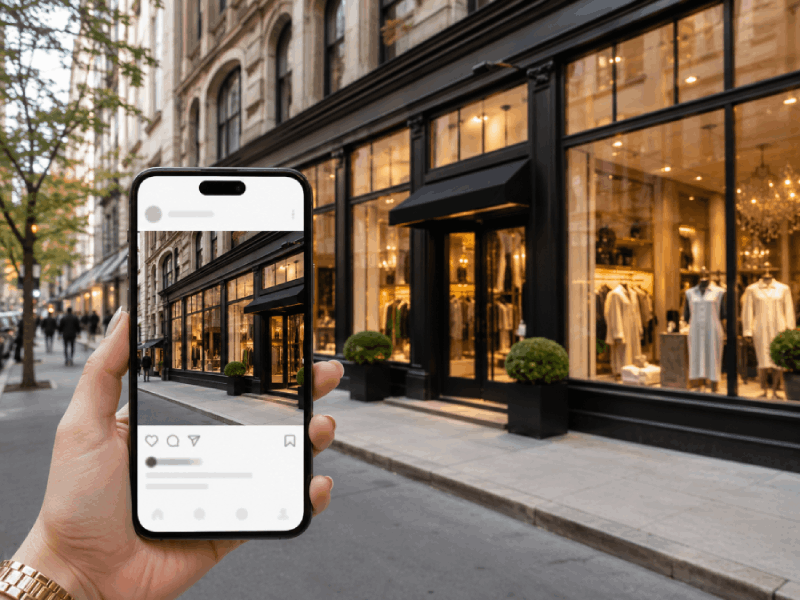
Premium and luxury retail doesn't need and often shouldn't want the same volume-driven digital marketing playbook as a mass-market store. Customers shopping at a premium store in New York respond to curation, exclusivity, and personal attention far more than discount codes or high-frequency ads. This is exactly why digital marketing for premium store in New York looks different from typical retail marketing. The good news is that some of the most effective strategies for a premium store also happen to be the lowest-effort ones to start, because they lean on quality over quantity.
This guide covers the best digital marketing strategies a premium store in New York can start with minimal effort no large marketing team or big ad budget required.
Why "Minimal Effort" Looks Different for a Premium Store
For a mass-market retailer, minimal-effort marketing often means broad, low-cost tactics run at volume. For a premium store, the more effective minimal-effort approach is the opposite: fewer, more deliberate actions that reflect the brand's positioning. A handful of well-chosen strategies, done consistently and well, tend to outperform a broad, scattered effort — which also happens to be a better fit for a smaller team.
1. Perfect (and Then Leave Alone) Your Google Business Profile
This is one of the lowest-effort, highest-impact steps any store can take, and it's especially important for a premium store in a city like New York where customers frequently search by neighborhood.
Ensure the profile reflects an accurate, polished brand impression — high-quality photos, precise hours, accurate neighborhood/cross-street details
Select categories that reflect the store's specific positioning (e.g., "luxury boutique," not just "clothing store")
Respond briefly and graciously to reviews — this alone signals attentiveness that matches a premium brand experience
Once set up properly, this requires only occasional updates — a rare case of a one-time effort with a long payoff.
2. Lean Entirely into Instagram as the Primary Channel
For most premium stores, trying to maintain a presence across many platforms is unnecessary effort. Instagram alone, done well, often carries the majority of the value:
Post high-quality, well-styled photography of product, styling, and store atmosphere — consistency in visual style matters more than posting frequency
Use Stories for a more casual, real-time feel — new arrivals, behind-the-scenes moments, or a quick styling tip
Keep captions minimal and elegant rather than heavily promotional, matching the tone premium shoppers expect
Use New York-specific and neighborhood hashtags sparingly and selectively, rather than broad generic tags
A small, well-curated grid tends to build more brand credibility for a premium store than a high-volume, less considered one.
3. Use WhatsApp or SMS for personal client outreach, not mass messaging
Premium retail has always relied on relationships, and digital tools can extend that without adding much overhead:
Build a small, opt-in list of regular or high-value customers for direct, personal updates — new arrivals matched to their known taste, private sale previews, or restock alerts
Keep messages personal and infrequent rather than templated and frequent — this is meant to feel like white-glove service, not a marketing blast
A single staff member can often manage this list effectively without dedicated marketing software, especially at a boutique scale
This channel typically requires very little ongoing effort once a client list is established, and tends to produce a high return relative to the time invested.
4. Encourage and Lightly Curate User-Generated Content
Rather than producing all content in-house, a premium store can benefit from customers doing some of the work:
Encourage customers to tag the store when they share a purchase, with a simple in-store prompt or subtle card in the packaging
Repost strong, well-shot user content to Stories or the grid, with credit — this doubles as both content and a customer relationship gesture
No paid incentive or ongoing campaign needed; this works best as a light, ongoing habit rather than a formal program
This approach requires almost no production effort while still keeping the content pipeline active.
5. Get Featured in Local and Niche Press or Blogs
A small amount of effort toward press coverage can produce outsized, long-lasting visibility for a premium store:
Reach out to a short, targeted list of NYC lifestyle, fashion, or neighborhood-specific blogs and newsletters with a simple, well-written pitch
Offer a specific angle — a new collection, a designer collaboration, or a seasonal capsule — rather than a generic "we exist" pitch
A single well-placed feature can drive sustained traffic and credibility far longer than most paid ads, at effectively no ongoing cost
This is a one-time effort per feature rather than an ongoing channel to manage, making it a strong fit for a lean marketing approach.
6. Run Small, Highly Targeted Local Ads — Occasionally
Paid advertising doesn't need to be a constant, managed campaign to be worthwhile for a premium store:
Run small, tightly targeted Instagram or Google campaigns only around key moments — a new collection launch, a seasonal event, or a holiday shopping window
Target narrowly by neighborhood and relevant interest categories rather than broad reach, keeping budgets modest
Treat this as an occasional boost rather than an always-on channel requiring constant optimization
Used sparingly and only when there's a genuine reason, this keeps effort low while still capturing timely opportunities.
Comparing Low-Effort Strategies for a Premium NY Store
Common Mistakes Premium Stores Should Avoid
Trying to be active on every platform. Spreading thin effort across many channels usually produces weaker results than doing one or two channels well.
Over-promoting instead of curating. Frequent discount-driven or heavily promotional content can undercut the exclusivity premium shoppers expect.
Treating clienteling tools like a mass marketing channel. WhatsApp or SMS lists should stay personal and selective — overusing them for frequent blasts erodes the relationship-driven value that makes the channel effective.
Ignoring reviews and profile upkeep. Even minimal-effort channels like Google Business Profile lose value if left inaccurate or unattended for long stretches.
Chasing broad reach instead of the right audience. For a premium store, a smaller, well-targeted audience is almost always more valuable than a larger, generic one.
Why Less Can Genuinely Be More Here
For a premium store, minimal-effort digital marketing isn't about cutting corners — it's about recognizing that a smaller number of well-executed, brand-aligned actions tend to outperform a large volume of generic ones. This approach also happens to be realistic for a smaller team without dedicated marketing staff, making it both effective and sustainable.
Take the Next Step Toward Effortless, Effective Marketing
The best digital marketing strategy for a premium New York store isn't the one with the most tactics — it's the one that matches the brand's tone, respects the customer's expectations, and can be sustained without a large team. Working with a digital marketing agency in New York that understands this distinction can make the difference between generic promotion and a strategy that actually reflects the brand. Starting with a polished Google presence, a well-curated Instagram, and a personal clienteling channel gives most premium stores a strong foundation with genuinely minimal ongoing effort — often without needing to bring on a large in-house team or full-service digital marketing agency in New York right away.